Effective Soundproofing Techniques for a Peaceful Living Environment
Understanding Soundproofing Basics
What is Soundproofing?
Soundproofing refers to the process of reducing or blocking sound transmission between spaces. It involves using various materials and techniques to manage and control unwanted noise. While absolute soundproofing is rarely achievable, effective soundproofing aims to minimize noise pollution in residential and commercial settings. This can be essential for creating a peaceful living environment where occupants can enjoy their space without disturbances from the outside world.
Why Soundproofing is Important
Soundproofing plays a crucial role in enhancing quality of life. Many people experience stress, anxiety, and disrupted sleep due to noise pollution. By investing in soundproofing, homeowners can reduce distractions from external sources like traffic or loud neighbors. Additionally, businesses that prioritizing acoustics can improve productivity and employee satisfaction. Moreover, effective Soundproofing can also elevate property values. Buyers are increasingly seeking homes that offer tranquility and comfort, making soundproofing an advantageous selling point.
Key Terminology in Soundproofing
- Decibel (dB): A unit used to measure the intensity of sound. Understanding decibels is vital in assessing soundproofing effectiveness.
- Sound Transmission Class (STC): A rating that indicates how well a building partition attenuates sound. Higher STC ratings suggest better soundproofing capabilities.
- A-weighted Sound Level: A weighted scale that accounts for human ear sensitivity, often used for noise measurement.
- Impact Noise: Sound resulting from impacts, like footsteps or dropping objects, contrasting to airborne noise from voices or music.
Types of Soundproofing Materials
Acoustic Panels: Features and Benefits
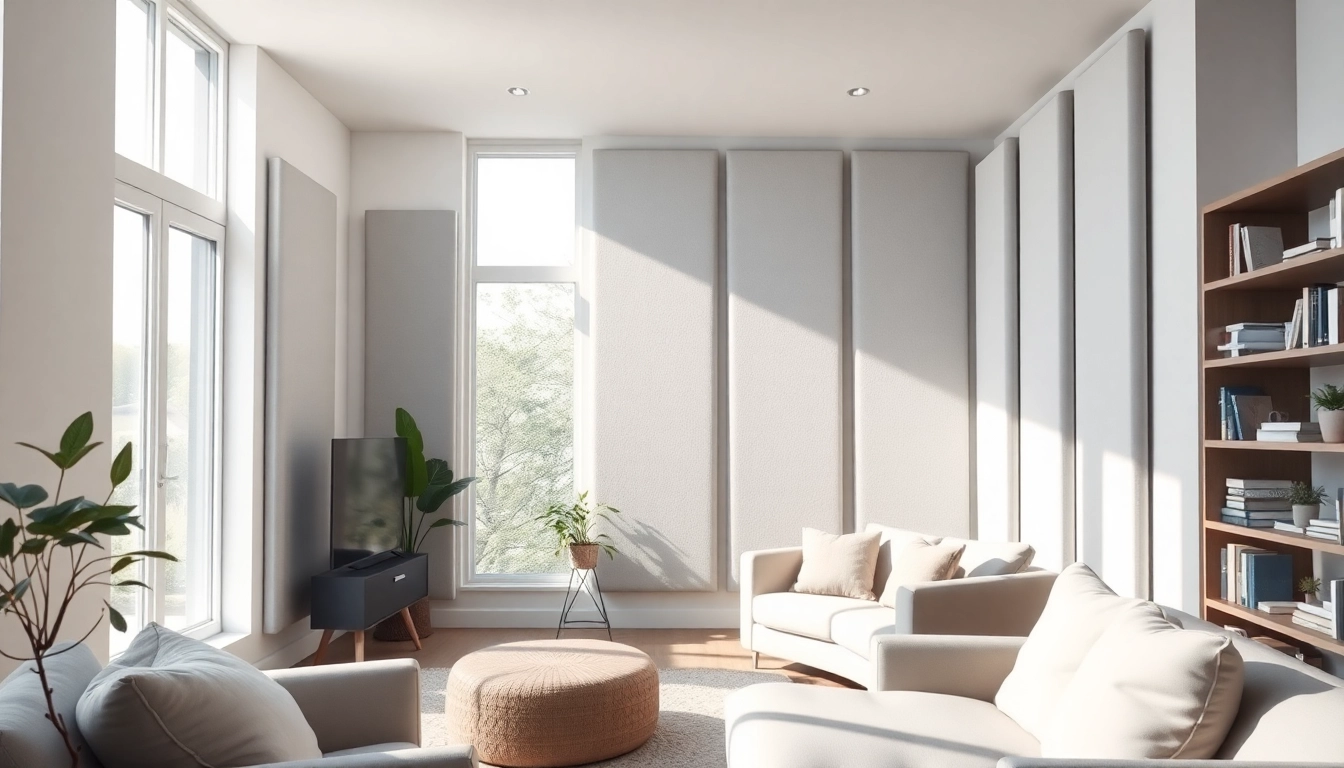
Acoustic panels are a popular soundproofing solution, typically made from porous materials designed to absorb sound waves. These panels can be used in various settings, including home theaters, recording studios, and office spaces. Their primary function is to improve sound quality and reduce echo, making them effective in managing sound within a room rather than blocking it from entering or exiting.
Notably, these panels come in different styles and finishes, allowing for aesthetic customization. They not only provide an excellent sound absorption but also enhance the visual appeal of any interior space. When installed correctly, acoustic panels can reduce reverberation and ambient noise, leading to a more enjoyable auditory experience.
Mass Loaded Vinyl vs. Foam Insulation
Mass Loaded Vinyl (MLV) and foam insulation are both viable options for soundproofing, yet they serve different purposes. MLV is a dense, flexible material that adds mass to walls, ceilings, and floors, effectively blocking sound transmission. It’s particularly beneficial for high-frequency noise and is often used in conjunction with other soundproofing materials for optimal results.
On the other hand, foam insulation is primarily designed to absorb sound. While it may not block noise as effectively as MLV, it helps reduce echo and reverberation within a space. When choosing between the two, consider the specific noise issues you are facing and whether you need to block, absorb, or both in your soundproofing strategy.
Choosing the Right Materials for Your Project
Selecting the appropriate soundproofing materials depends on various factors, including the type of noise you’re dealing with, your budget, and the specific requirements of your project. Begin by evaluating the source of the noise; if it’s airborne noise, absorbent materials like acoustic panels may be ideal, whereas for impact noise, heavier materials like MLV might be more effective.
It’s also essential to consider the installation process; some materials require professional installation, while others can be easily applied as DIY projects. Balancing effectiveness with installation complexity and budget constraints is key when planning your soundproofing efforts.
Soundproofing Techniques for Homes
DIY Soundproofing Solutions
Many homeowners pursue DIY soundproofing projects to enhance their living environments inexpensively. Simple solutions can include sealing gaps and cracks around windows and doors, installing door sweeps, and adding mass-loaded curtains. These measures can significantly reduce the amount of external noise entering a space.
Other DIY methods involve utilizing furniture and decor. Bookshelves filled with books can act as sound barriers, while large rugs and fabric wall hangings can manage acoustics. Even rearranging furniture strategically can help redirect sound waves and improve overall sound quality.
Professional Soundproofing Installation
While DIY approaches can provide some relief from noise, professional installation guarantees a higher level of effectiveness and long-term results. Professionals have the expertise to assess your specific situation, recommend the most suitable materials, and implement advanced techniques that may not be feasible through DIY methods.
Some professional soundproofing solutions include the installation of resilient channels, which decouple drywall from structural framing, thereby minimizing sound transfer. Others might use composite materials or specialized insulation that significantly outperforms standard products. Investing in professional services often leads to improved sound quality and overall satisfaction with the results.
Upgrading Existing Structures for Better Sound Control
Upgrading existing structures can greatly enhance sound management, especially in older homes or buildings. One effective approach is to supplement existing walls with additional layers of soundproofing material. Adding more drywall, incorporating sound-dampening adhesives, or using soundproofing insulation can all improve sound control.
Consider replacing windows with double or triple-pane glass that provides better insulation against noise. Other upgrades include solid core doors that can minimize sound transmission compared to hollow-core doors. These simple yet effective changes can make a world of difference in reducing noise and increasing comfort in a home.
Challenges in Soundproofing Implementation
Understanding Common Soundproofing Issues
Soundproofing can present multiple challenges, including financial constraints, space limitations, and selectivity in materials. One of the most common issues is underestimating the impact of noise. For instance, many people expect that adding one layer of soundproofing material will completely eliminate noise, only to discover that sound can still seep through windows or floors. A comprehensive evaluation of the entire space is necessary to develop a practical soundproofing plan.
Another issue may arise from poor installation practices. Incorrectly installed acoustic panels or improperly sealed gaps can lead to ineffective soundproofing. It’s crucial to follow manufacturer guidelines and best practices to ensure optimal performance.
Managing Budgets and Costs
Soundproofing costs can vary widely depending on materials, labor, and scale of the project. DIY methods are typically more budget-friendly, but it’s essential to recognize the potential need for professional assessment if the issues are complex. Setting a realistic budget upfront and understanding the scope of work involved can prevent overspending and help prioritize which areas to tackle first.
Consider researching cost-effective options by comparing materials and shopping for sales or discounts. Investing in quality materials can pay off in the long run, as they tend to last longer and provide better results. Additionally, evaluate the long-term benefits against immediate costs to decide whether to make significant investments in soundproofing.
Addressing Aesthetic Concerns
One common concern regarding soundproofing is its potential impact on the aesthetic appeal of a space. Many traditional soundproofing solutions, such as heavy curtains or bulky panels, can be visually unappealing. However, many modern products integrate design with form. Designers and manufacturers are increasingly producing stylish acoustic panels and soundproofing elements that complement home decor.
Options such as custom-finished acoustic panels or sophisticated, sound-transmitting glass can provide both functional and aesthetic benefits. Understanding how to achieve soundproofing without sacrificing style is a vital aspect of modern sound management.
Measuring the Effectiveness of Soundproofing
Sound Level Measurement Techniques
Measuring sound proofing effectiveness is critical in evaluating the impact of any soundproofing project. Tools like sound level meters can help assess noise levels before and after soundproofing efforts. These devices measure decibel levels, allowing homeowners and professionals to determine the reduction in sound transmission accurately.
Another useful method is conducting listening tests, which involve assessing sound clarity and volume at various points in a room. These qualitative measures, combined with quantitative data from sound level meters, provide a holistic view of soundproofing effectiveness.
Evaluating Before and After Results
To fully understand the impact of soundproofing initiatives, thorough evaluation before and after soundproofing is essential. Establishing a baseline noise level can guide expectations for improvement. Documenting and comparing sound levels and subjective experiences can provide a comprehensive insight into how effective the project has been.
Engaging in post-project surveys with occupants can also yield valuable feedback. Their perceptions regarding noise levels and overall comfort can guide future soundproofing projects and inform decisions when selecting materials or approaches.
Continuous Improvement in Soundproofing
Soundproofing is not a one-time endeavor but rather a continual process. Regular evaluations can help identify areas for improvement. As homes settle and new sources of noise emerge, adapting soundproofing solutions may be necessary to maintain optimal living conditions.
Furthermore, technology is continually evolving, with innovative materials and methods entering the market. Staying informed about advancements in soundproofing design can enable ongoing improvements and adaptations to maximize effectiveness.