Innovative Ideas for Your Colonial Addition: Design, Features, and Inspiration
Understanding Colonial Addition: What It Is and Why It Matters
Definition and Historical Context
A colonial addition refers to a structural extension of a home built in alignment with colonial architectural styles. These homes, primarily found in the United States, are characterized by symmetry and simple geometry that hark back to the colonial era. As architecture evolved, so did the need for space, prompting homeowners to create functional additions that reflect the architectural grace and charm of their historic styles.
Historically, colonial architecture is rooted in European influences, particularly those from Britain, France, and Spain. As settlers colonized North America, they incorporated elements from their homeland, leading to variations such as Georgian, Federal, and Dutch Colonial styles. Colonial additions not only serve aesthetic purposes but also cater to the changing needs of modern families while respecting the original character of the home.
Key Features of Colonial Additions
When considering a colonial addition, several key features typify this architectural style:
- Symmetry: Reflecting the geometric precision of colonial homes, additions should maintain a balanced appearance.
- Traditional Rooflines: Gable roofs or hipped roofs are common, enhancing the classic look.
- Classic Materials: Wood siding, brick, and stone are typically used, echoing the original construction.
- Windows and Doors: Use of double-hung windows with shutters and paneled doors reflects the colonial aesthetic.
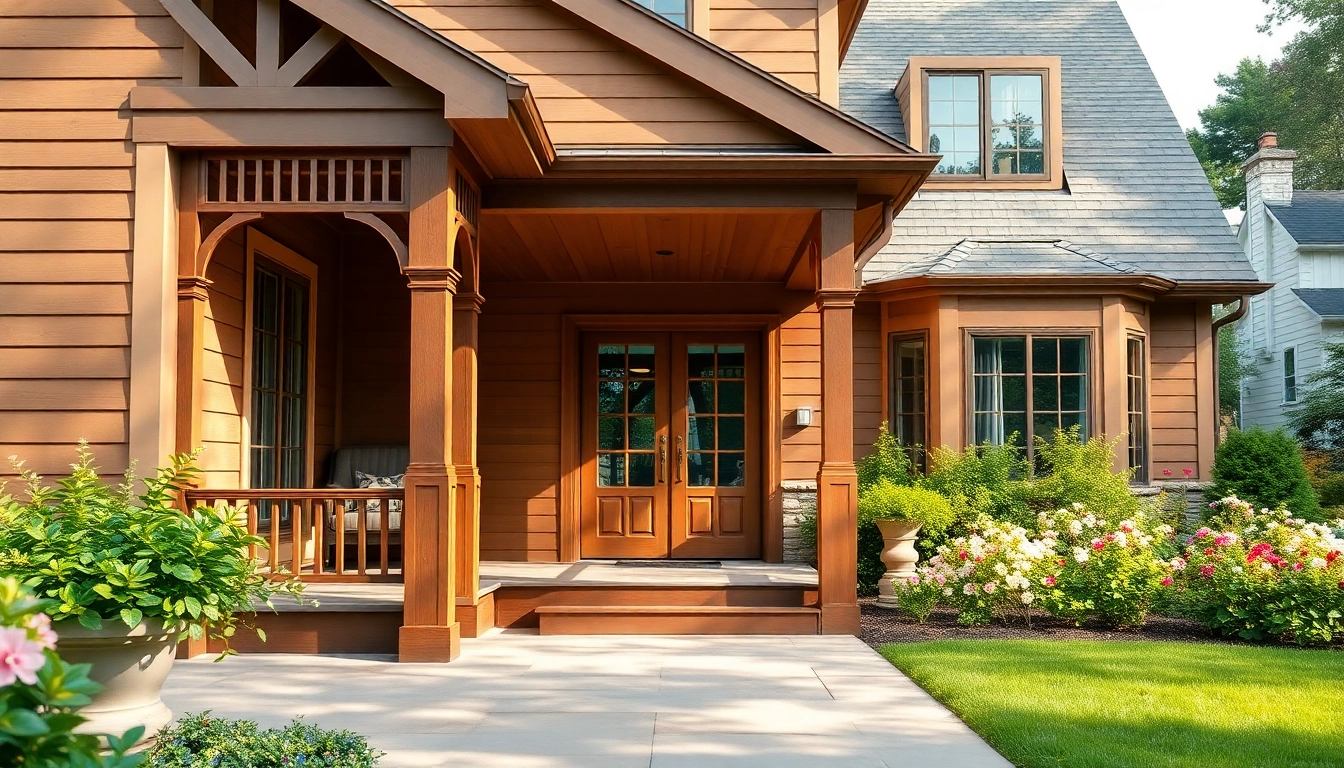
- Porches and Entryways: These additional features often expand living space while inviting a warm entrance.
The Benefits of Adding a Colonial Addition
Investing in a colonial addition offers numerous advantages:
- Increased Living Space: More room allows for growing families or enhanced functionality.
- Higher Property Value: Well-executed additions can significantly raise the home’s market value.
- Enhanced Curb Appeal: A thoughtfully designed addition can elevate the exterior aesthetics.
- Improved Energy Efficiency: New construction may allow for modern building techniques, improving insulation and reducing energy costs.
- Preservation of Heritage: Additions that complement the original structure respect the home’s history and heritage.
Design Considerations for Your Colonial Addition
Architectural Styles to Consider
When planning a colonial addition, it’s vital to select an architectural style that complements the existing structure. Georgian, Federal, and Cape Cod are popular choices. Georgian style, known for its use of symmetry and proportionality, often features detailed cornices and friezes. Federal style incorporates decorative elements and a lighter aesthetic, while Cape Cod emphasizes practical simplicity with steep roofs and dormer windows, perfect for coastal areas.
Choosing Materials and Finishes
Selecting the right materials is critical for integrating a colonial addition seamlessly into the existing home. Authentic materials such as clapboard siding, brick, and natural stone lend authenticity and durability. It’s essential to match paint colors and finishes to ensure a cohesive look. Additionally, modern materials that mimic traditional aesthetics can be considered, particularly for updates on energy efficiency without sacrificing style.
Balancing Modern Needs with Traditional Aesthetics
Today’s homeowners often seek functionality and modern conveniences. Incorporating elements like open floor plans or large windows can enhance natural light and space. However, special attention should be paid to preserving the colonial aesthetic. This can be achieved through design features like traditional moldings or period-appropriate hardware, allowing for a balance between contemporary living and historic integrity.
Planning Your Colonial Addition Project
Steps to Kick Off Your Addition Journey
Beginning a colonial addition should be a structured procedure. Here are essential steps to get started:
- Set Clear Goals: Define the purpose of the addition — whether it’s for more bedrooms, a home office, or an entertainment space.
- Research and Inspiration: Explore existing colonial homes and incorporation ideas from resources like architecture magazines and online platforms.
- Budget Planning: Establish a budget early to avoid overspending.
- Hire Professionals: Consult architects and contractors experienced in colonial styles.
- Design Development: Work collaboratively to develop plans that respect both functionality and historical aesthetics.
Permits and Regulations Explained
Before construction begins, understanding local building regulations and required permits is essential. Checking with local zoning laws ensures that your addition complies with neighborhood standards. Specific regulations might include setback requirements, height restrictions, and material usage mandates. Engaging with local building departments can provide clarity on necessary permits and streamline the construction process.
Budgeting for Your Colonial Addition
Constructing a colonial addition can be an investment. Here’s how to budget effectively:
- Initial Estimates: Get rough estimates from professionals for a better understanding of potential costs.
- Include All Expenses: Account for materials, labor, permits, and unexpected costs.
- Contingency Fund: Set aside 10-15% of your total budget for unforeseen challenges.
- Financing Options: Explore home equity loans or financing options to cover expenses.
Maximizing Space and Functionality
Layout Ideas for Open and Functional Spaces
Modern needs often call for open and functional layouts. Here are a few ideas to maximize space:
- Open-Concept Living: Consider merging spaces like the kitchen, dining, and living area to create a more inclusive environment.
- Multi-Use Areas: Incorporate furniture that can adapt to different needs, such as a Murphy bed or fold-out tables.
- Vertical Space Utilization: Use high ceilings for built-in shelving or lofts to maximize functionality.
Incorporating Storage Solutions
Storage tends to be a common challenge in expanding homes. Smart storage solutions include:
- Built-ins: These can be seamlessly integrated into walls and create less clutter.
- Smart Furniture: Utilize ottomans or benches that offer concealed storage without sacrificing style.
- Under-stair Areas: Transform usually wasted space into functional drawers or cabinets.
Exploring Multi-functional Rooms
Multi-functional rooms are a smart choice for modern living. Areas can serve dual purposes, such as a guest room that functions as an office, or a playroom that doubles as a study space. Using sliding or folding doors can enhance the versatility of designs, allowing rooms to evolve based on needs.
Real-Life Examples and Inspiration
Case Studies of Successful Colonial Additions
Examining successful case studies provides invaluable insights. For instance, a Georgian-style home added a sunroom that mirrors the original architecture but features modern glass walls for light. The seamless blend of old and new showcases how enhancements can be made without compromising integrity.
Visual Inspiration: Before and After
Visualizing possibilities can significantly impact decision-making. It’s helpful to gather images of prior colonial additions. Before photos often show dated or cramped homes that become transformed through thoughtful additions. These transformations illustrate the importance of aligning design elements with the existing structure while accommodating modern family needs.
How to Apply Lessons Learned
When applying lessons from successful projects, remember that planning, design, and execution must reflect personal preferences while still respecting colonial traditions. Consider factors like the surrounding environment, traditional features, and functionality to create your cohesive addition.
FAQs About Colonial Additions
What is a colonial addition?
A colonial addition is an extension made to a home that maintains the historical design elements of colonial architecture, promoting both functionality and aesthetic harmony.
How can I ensure my addition matches the original home?
Focus on symmetry, use matching materials, and consult architects who specialize in colonial styles to ensure cohesive design.
What permits are required for a colonial addition?
Permit requirements vary by locality but typically include building permits, zoning approvals, and adherence to regulations specific to historic homes.
How much does a colonial addition cost?
The cost can vary widely based on size, materials, and location. A detailed estimate should be developed early in the planning process to budget appropriately.
Can I incorporate modern features in a colonial addition?
Yes, blending modern conveniences with traditional aesthetics is encouraged. Ensure that any modern features align with the overall historical style of the original home.