
Expert Whole House Repiping Services Tampa for Lasting Plumbing Solutions
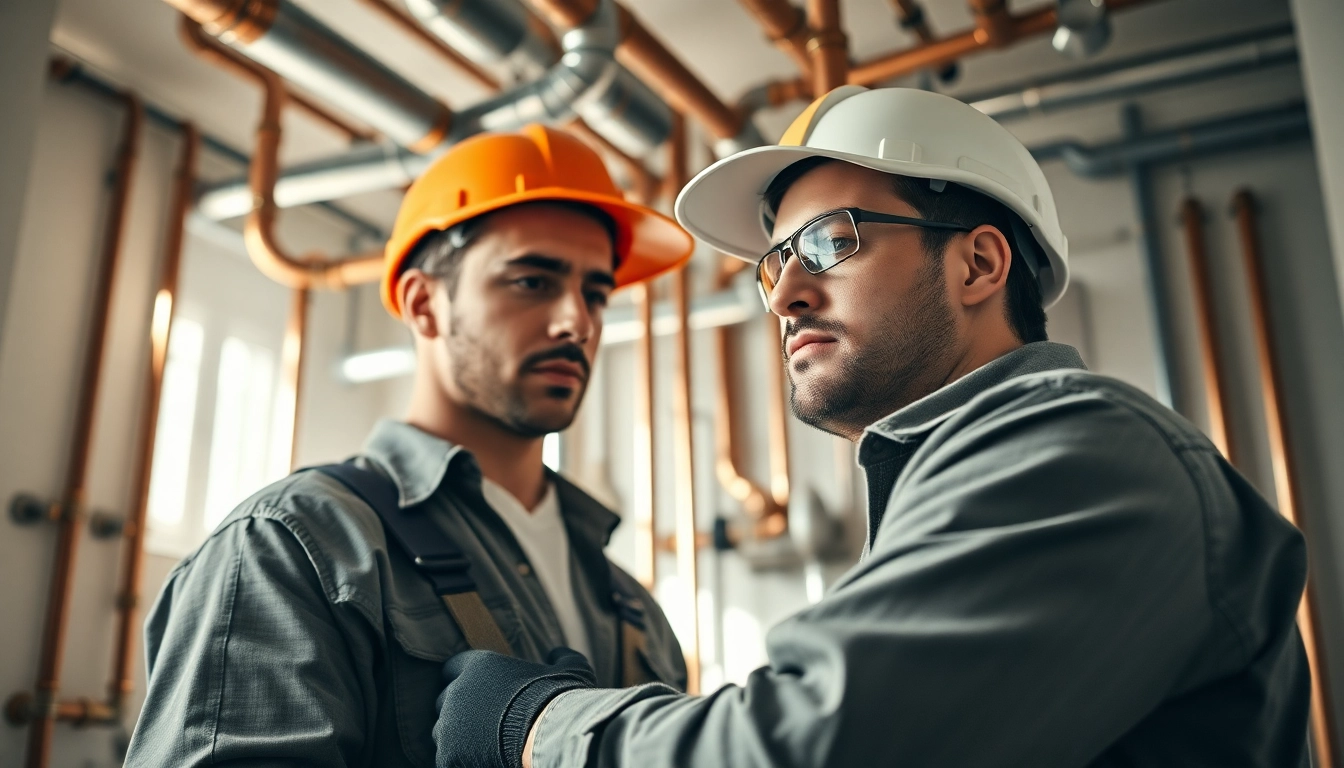
Understanding Whole House Repiping Services Tampa
Homeowners often overlook their plumbing systems until an issue arises. One critical solution to plumbing problems is whole house repiping services Tampa, a process that involves replacing all the old pipes in a home with new ones. This article aims to provide a comprehensive understanding of the benefits, signs indicating a need for repiping, and the overall process involved.
What is Whole House Repiping?
Whole house repiping is the complete replacement of the plumbing pipes in a building. It is often necessary when the existing pipes are aged, corroded, or leaking, which may lead to significant water damage and health hazards due to potential mold growth. The repiping process can involve various types of plumbing materials such as copper, PVC, and PEX, depending on the requirements of the home and the preferences of the homeowner.
Benefits of Whole House Repiping
- Improved Water Quality: Old pipes may leach contaminants, affecting the water quality. New pipes ensure clean and safe drinking water.
- Enhanced Water Pressure: Repiping can solve low water pressure issues often caused by clogged or corroded pipes.
- Prevention of Leaks: New pipes reduce the likelihood of leaks, saving money on repairs and water bills.
- Increased Home Value: A new plumbing system can increase property value, making it a wise investment for future resale.
Signs You Need Repiping Services
Recognizing the signs that your home may need repiping is crucial. Here are some indicators:
- Frequent Leaks: Multiple leaks in your plumbing can indicate systemic problems.
- Discoloration of Water: Rusty or discolored water often means corroded pipes.
- Low Water Pressure: This can result from aging pipes blocked by sediment and mineral deposits.
- Odd Smells or Tastes: Unpleasant odors or tastes in your water could signify pipes degrading.
- Visible Signs of Water Damage: Water stains on walls or ceilings indicate leaks, necessitating repiping.
Choosing the Right Materials for Repiping
Types of Pipes Used in Repiping
When considering repiping, selecting the right material is essential. Below are some commonly used pipe types:
- Copper Pipes: Known for longevity and reliability, copper is resistant to corrosion and can last over 50 years.
- PVC Pipes: Ideal for drainage systems, PVC is lightweight, affordable, and resistant to corrosion but is not suitable for hot water.
- PEX Pipes: Increasingly popular, PEX pipes are flexible, easy to install, and resistant to scale and chlorine.
- Galvanized Steel: Although durable, these pipes can corrode over time, leading to rust and water quality issues.
Cost Considerations for Material Selection
The cost of repiping can vary significantly based on the materials chosen. Generally, PEX tends to be more affordable than copper, which can be pricier but offers more durability. It’s essential to balance material costs against their long-term benefits and lifespan. Homeowners should obtain quotes from multiple plumbing professionals to ensure they receive the best value for their investment.
Durability and Maintenance of Pipes
Durability varies among different pipe materials. Copper and PEX pipes provide excellent longevity with minimal maintenance needs, while galvanized steel requires more frequent checks. Homeowners should consider the maintenance demands of their chosen material and incorporate regular inspections into their home maintenance routine.
The Repiping Process Explained
Initial Assessment and Inspection
The repiping process begins with a thorough assessment of your plumbing system. Skilled plumbers will inspect existing pipes, look for signs of leaks, and evaluate the overall integrity of the plumbing system. This thorough evaluation ensures a tailored approach to your unique plumbing needs.
Planning and Preparation for Repiping
Once the assessment is completed, an extensive plan is created that outlines the repiping process. This plan includes timelines, estimated costs, and a detailed approach on how the work will be executed while mitigating disruptions. Homeowners should be informed throughout this process to ensure clarity and preparedness.
Executing the Repiping Work
The actual repiping work involves isolating the water supply and removing the old pipes. New pipes are then installed according to the pre-established plan. Depending on the size of the home, this process may take several days. Professional plumbers often take precautions to protect your home during the installation, minimizing disturbances.
Preparing Your Home for Repiping
Clearing Work Areas for Plumbers
Preparing your home for repiping includes clearing areas where plumbing work will take place. This means moving furniture, covering floors, and ensuring that plumbers can access the targeted areas easily.
Communicating with the Repiping Team
Open communication with the plumbing team is critical to a successful repiping project. Homeowners should discuss their concerns and questions upfront, which can help alleviate any worries and ensure everyone is on the same page during the process.
Managing Disruption During the Process
During the repiping process, there may be some disruption to daily routines. To manage this, homeowners should plan ahead, perhaps staying with friends or family or preparing for limited water access. It’s essential to stay informed about the timeline and progress of the work.
Post-Repiping Care and Maintenance
Testing and Inspecting New Installations
After the repiping is completed, a comprehensive inspection and testing of the new plumbing system is critical. This may include checking for leaks, ensuring proper water pressure, and verifying that all plumbing fixtures function correctly. Homeowners should request a walkthrough to learn about their new system.
Best Practices for Long-Term Pipe Care
To maintain the integrity of the new piping, homeowners should implement best practices, including regular flushing of the system, avoiding harsh chemicals that can damage pipes, and scheduling regular plumbing check-ups. Such maintenance prolongs the life of your plumbing system.
When to Schedule Maintenance Checks
Regular maintenance checks should be scheduled at least once a year, but more frequently if there are any concerns or issues. Early detection of potential problems can save time and expenses down the line, ensuring that your plumbing system functions optimally.
FAQs About Whole House Repiping
1. How long does the repiping process take?
The duration of whole house repiping usually ranges from a few days to a week, depending on the size of the home and the complexity of the plumbing system.
2. Will repiping improve water pressure?
Yes, repiping often resolves low water pressure issues caused by clogs or corroded pipes, resulting in improved water flow throughout your home.
3. Can I stay in my home during repiping?
While it is possible to stay, some disruptions will occur. Planning ahead can ensure you know what areas to avoid during the work.
4. What should I do after repiping?
After repiping, monitor your plumbing for leaks for the first few weeks and maintain a routine of regular inspections and testing of the system.
5. Is repiping covered by homeowners insurance?
This varies by policy. It’s crucial to review your insurance coverage details or consult your provider before proceeding with repiping.