
Experience Authentic Gorilla Trekking and Tanzania Safari Adventures
Introduction to Gorilla Trekking and Tanzania Safari
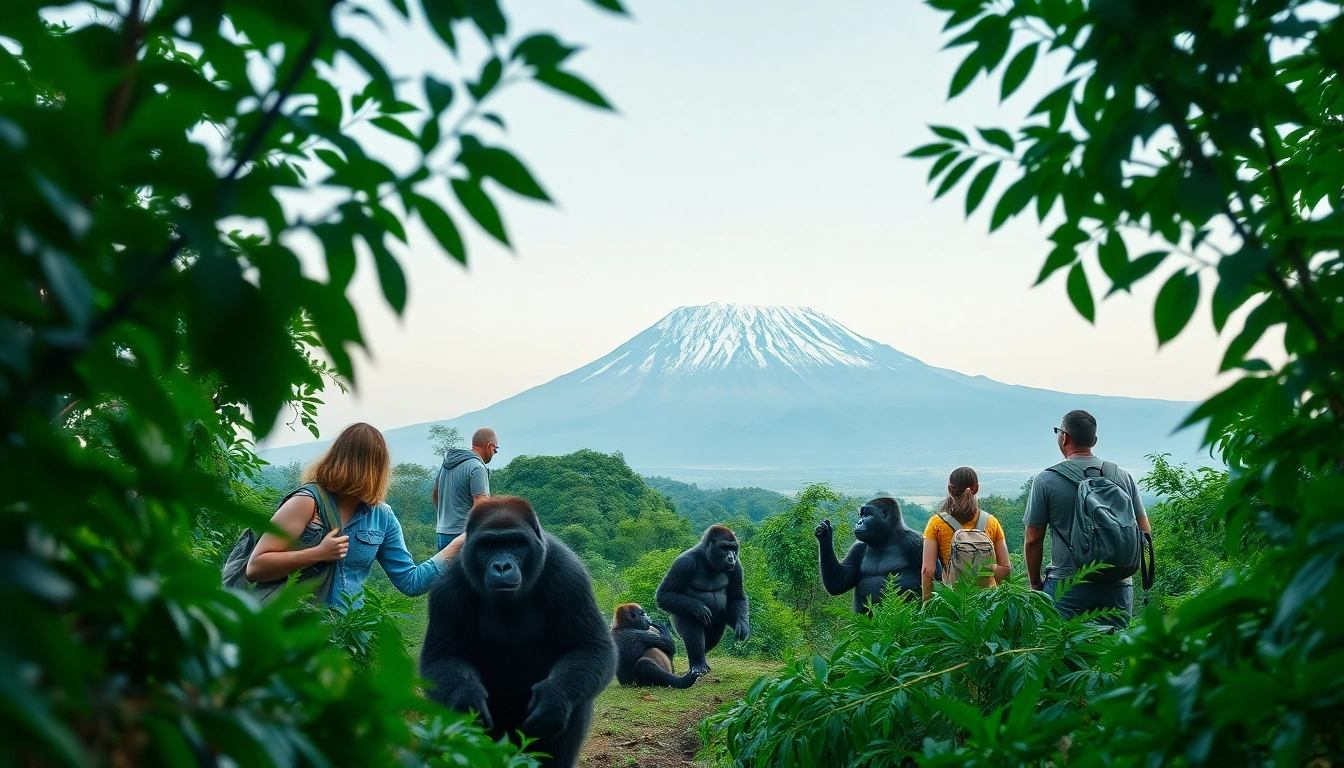
For adventure seekers and wildlife enthusiasts, there’s hardly anything more thrilling than the chance to observe majestic gorillas in their natural habitat paired with the stunning landscapes and rich wildlife of Tanzania. Those looking to embark on a life-changing journey should consider the thrilling adventure of Gorilla trekking and Tanzania safari. This combination promises breathtaking experiences, a closer connection to nature, and a deeper appreciation of environmental conservation.
What is Gorilla Trekking?
Gorilla trekking is an exhilarating adventure where participants hike through verdant forests to encounter one of the planet’s most impressive animals: the gorilla. Found primarily in the mountainous regions of Rwanda, Uganda, and the Democratic Republic of the Congo, these gentle giants offer humans a glimpse into their intricate social structures and daily lives. Trekking typically lasts several hours and ranges from relatively easy walks to strenuous climbs, depending on the location and gorilla family being tracked.
The experience is not just about observing gorillas; it’s an immersive journey into their habitat. Trekking through the dense foliage, getting up-close with these incredible creatures, and watching them interact provides an eye-opening perspective on wildlife preservation efforts. You’ll also be guided by knowledgeable rangers who share invaluable insights about the gorillas and the surrounding ecosystem.
Why Choose Tanzania Safari?
Home to the iconic Serengeti National Park and the breathtaking Ngorongoro Crater, Tanzania is a safari enthusiast’s dream come true. The country’s diverse landscapes encompass savannahs, mountains, and lakes, teeming with an abundance of wildlife. Tanzania hosts the “Big Five” (lions, elephants, buffalo, leopards, and rhinoceros) along with countless other species. This makes it one of the best destinations worldwide for game drives, walking safaris, and cultural encounters.
Choosing a Tanzania safari means stepping into some of the most remarkable natural habitats, like the Great Migration, where millions of wildebeests and zebras journey across the plains, offering photographers and animal lovers extraordinary sightlines. Moreover, Tanzania is rich in cultural heritage, with opportunities to visit Maasai villages or explore the historical aspects of Stone Town in Zanzibar.
Best Time to Experience Gorilla Trekking and Tanzania Safari
Understanding the climate and animal behavior is crucial while planning your adventure. Gorilla trekking is best done in the dry season, typically from December to February and June to September, when the trails are less muddy, and you’re more likely to see the gorillas. Similarly, the dry months are prime for a Tanzania safari, allowing for easier wildlife spotting and better road conditions.
However, the wet seasons can also have their charm, as flora is abundant, and fewer tourists mean a more intimate experience with nature. Ultimately, the optimal time will depend on your preferences regarding weather, wildlife visibility, and crowd levels.
Planning Your Gorilla Trekking and Tanzania Safari
Choosing the Right Tour Operator
Selecting the right tour operator is critical for an enjoyable and safe experience. A reputable operator should have in-depth knowledge of gorilla trekking and safari protocols. They should provide experienced guides, safety equipment, and adhere to environmental conservation guidelines to ensure your trip minimizes impact.
Research potential operators via reviews, recommendations from fellow travelers, and thorough questioning of their background knowledge. Look for operators that promote responsible tourism practices and support local communities.
Essential Gear for Your Adventure
The right gear is essential for maximizing your experience. For gorilla trekking, sturdy hiking boots, moisture-wicking clothing layered for varying climates, a waterproof jacket, and gloves for thorny underbrush are recommended. A good backpack, binoculars for wildlife viewing, and high-quality cameras will enhance the adventure. Personal essentials like sunscreen and insect repellent are also vital for comfort and safety.
When going on a Tanzania safari, lightweight, breathable clothing that camouflages well with the environment is advisable. Also, opt for wide-brimmed hats and sunglasses for sun protection. Pack cameras with a zoom lens, travel-friendly snacks, and plenty of water to keep you energized throughout your day.
Health and Safety Precautions
Your health and safety should always come first. Consult a healthcare provider regarding vaccinations and medications, such as for malaria, which can be prevalent in specific areas. Ensure your travel insurance covers evacuation in case of emergencies and check for any additional travel advisories.
On the trek, it’s crucial to follow guidelines provided by your guides, especially concerning interactions with gorillas. Maintain a minimum distance of 7 meters to reduce the risk of transmitting diseases. Carry hand sanitation supplies, and be prepared to wear a mask if required during your visits for the safety of both tourists and wildlife.
Highlights of Gorilla Trekking and Tanzania Safari
Top Locations for Gorilla Trekking
The most renowned locations for gorilla trekking include:
- Bwindi Impenetrable National Park: Known for its lush biodiversity, it’s home to over half of the world’s remaining mountain gorillas.
- Mgahinga Gorilla National Park: Offers stunning volcanic landscapes with a smaller number of gorilla families, ideal for those seeking a more intimate trek.
- Volcanoes National Park: Located in Rwanda, it’s famous for its accessibility and well-organized trekking experience.
Each location boasts unique ecosystems, hiking challenges, and gorilla families, providing diverse trekking experiences.
Cultural Experiences Along the Safari
Engaging with local cultures enhances the adventure of a Tanzania safari. Visit traditional Maasai villages, where you can learn about their customs, dances, and crafts. Participating in a cultural encounter usually aims to benefit the community, providing a valuable understanding of their way of life.
Other experiences may include guided tours of local markets, cooking classes, or cultural performances, all offering a glimpse into the vibrant communities that coexist with the wildlife.
Wildlife Encounters to Expect
The variety of wildlife you can witness is staggering. While on a Tanzania safari, expect to encounter elephants roaming the vast plains, lions lounging in the sun, and cheetahs sprinting across the grasslands. Birdwatchers will be delighted by the diversity—over 1,100 bird species can be found throughout the country, from the colorful lilac-breasted roller to the majestic African fish eagle.
During your gorilla trekking adventure, you’ll experience the profound connection between these animals as you observe the group dynamics. Watch as mothers nurture their young or large silverbacks keep vigilant watch, further immersing you in the essence of this unique species.
Conservation and Ethical Considerations
Importance of Responsible Tourism
Participating in gorilla trekking and safaris can significantly impact conservation efforts when approached responsibly. Traveling with responsible tourism operators ensures that your trip contributes positively to wildlife protection and local communities. Opt for eco-friendly lodges and adhere to strict guidelines during treks to preserve the habitats and minimize human-wildlife conflict.
Moreover, choose operators that dedicate portions of their profits to conservation initiatives, contributing to the protection of gorilla habitats and wildlife education programs.
Efforts in Gorilla Conservation
Gorilla populations have been recovering due to dedicated conservation efforts, including anti-poaching patrols, habitat preservation, and community engagement programs. These initiatives involve local communities in conserving their environments by providing them with alternative livelihoods that do not compromise the integrity of the forests where gorillas thrive.
Support from the public through tourism and donations has been instrumental, fueling ongoing initiatives to secure these magnificent animals’ futures. Participating in gorilla trekking through responsible operators not only gives you an incredible experience but helps in sustaining these conservation efforts.
Support Local Communities Through Ecotourism
Ecotourism offers a pathway for local communities to benefit from the allure of wildlife. By supporting parks and eco-friendly initiatives, you contribute directly to community development and conservation. This includes schools and health centers funded by tourism revenues, which help improve local quality of life.
Engaging with communities through cultural tourism and hiring local guides enriches your experience while empowering individuals by providing them with sustainable income opportunities. It’s a mutually beneficial relationship that promotes ecological ethics and social responsibility.
Frequently Asked Questions about Gorilla Trekking and Tanzania Safari
What permits are required for gorilla trekking?
Permits are required for gorilla trekking, often costing hundreds of dollars. These are issued by the respective national parks and must be pre-booked due to limited availability.
Is gorilla trekking safe for all ages?
Gorilla trekking is suited for those in reasonable health. Children over 15 can participate, but travelers of all ages should consult with their healthcare providers before embarking on this physical activity.
How physically demanding is the trek?
The physical demands of gorilla trekking can vary. Some treks are relatively easy, while others can be strenuous, particularly if you are trekking at higher altitudes or through dense vegetation. Fitness levels should be considered.
Can I customize my safari itinerary?
Many tour operators offer customizable safari itineraries, allowing travelers to choose specific parks, activities, and durations, making your safari an experience tailored to your preferences.
What precautions should I take for health and safety?
Ensure vaccinations are up to date, carry hand sanitizer, and wear appropriate clothing. Follow safety guidelines from guides during treks to mitigate risks of injuries and disease transmission.