Maximize Peace at Home: Effective Soundproofing Strategies
Understanding Soundproofing
What is Soundproofing and Why is it Important?
Soundproofing refers to the process of reducing the sound transmission between spaces. This practice is vital not only for enhancing comfort in residential and commercial properties but also for improving productivity and overall well-being. Excessive noise can lead to stress, hinder concentration, and negatively impact sleep quality. Effective soundproofing provides a peaceful environment, benefiting both mental and physical health and making it an essential consideration for architects, designers, and homeowners alike. For further insights on Soundproofing, let’s dive deeper into its principles.
The Science Behind Soundproofing
The science of soundproofing is rooted in acoustics, which is the study of sound’s behavior in various environments. Sound travels in waves and can be classified as airborne sound (noise from concerts, traffic) or impact sound (footsteps, furniture movement). Effective soundproofing strategies involve absorbing, blocking, or isolating these sound waves using various physical properties of materials. The density, mass, and structure of materials play significant roles in determining their effectiveness at soundproofing. Acoustic principles guide us in selecting appropriate materials and techniques to minimize sound transmission, ensuring quieter spaces.
Types of Sound and Their Impact
Understanding the types of sound is crucial for effective soundproofing. Airborne sounds include voices, music, and environmental noise, while impact sounds result from physical contact, such as footsteps. The impact of these sounds can vary widely depending on their frequency; lower frequencies often penetrate walls more easily than higher frequencies. Consequently, a strategic approach that includes both sound-blocking and sound-absorbing materials is necessary to mitigate the impact of various types of noise effectively. This comprehensive understanding helps guide homeowners and professionals in designing quieter, more comfortable living and working environments.
Common Soundproofing Materials
Acoustic Panels: Benefits and Functions
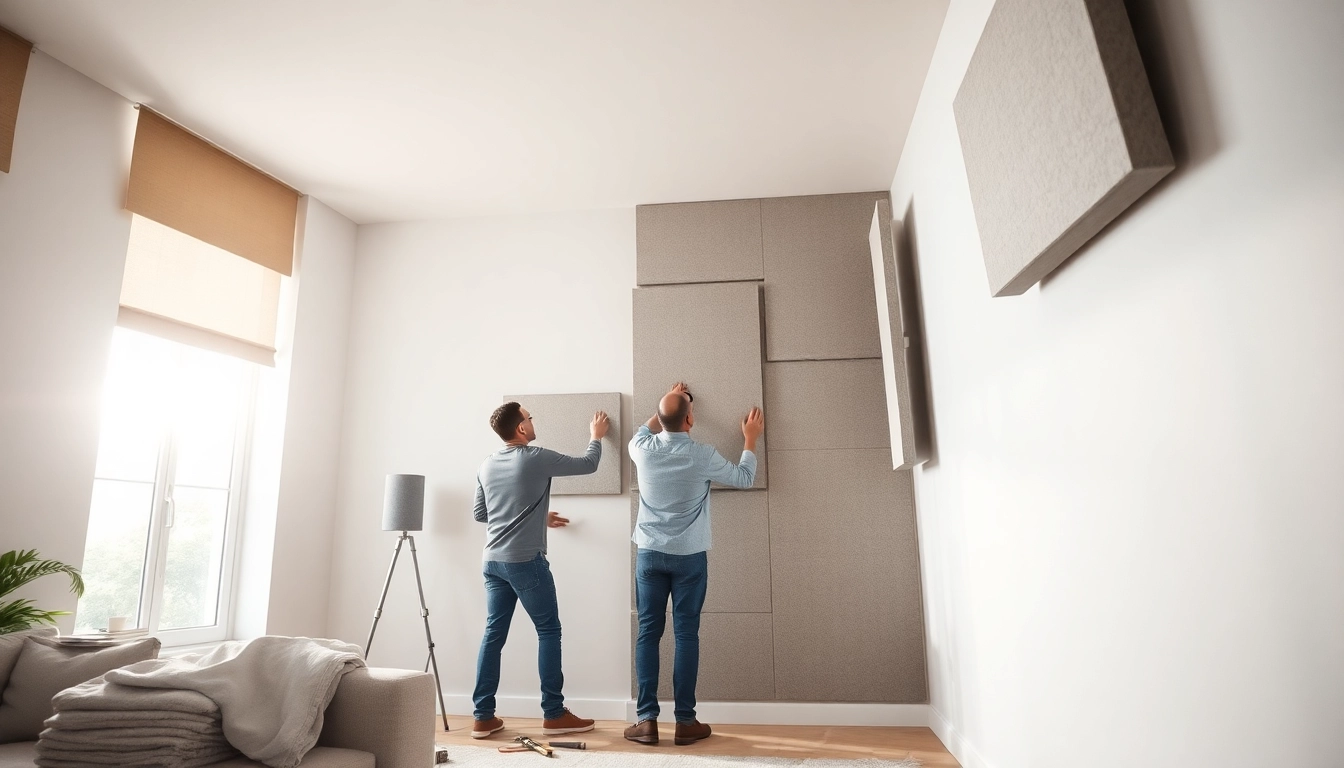
Acoustic panels are a highly effective solution for soundproofing. These panels are designed to absorb sound waves and prevent them from bouncing off walls and ceilings, which helps minimize echo and background noise. They come in various materials, including foam, fabric-wrapped products, and wood. The benefits of using acoustic panels extend beyond their sound absorption properties; they also enhance the aesthetic of a space. By strategically placing these panels in areas prone to noise, such as home theaters or offices, individuals can create a more tranquil environment that encourages focus and relaxation.
Insulation and its Role in Soundproofing
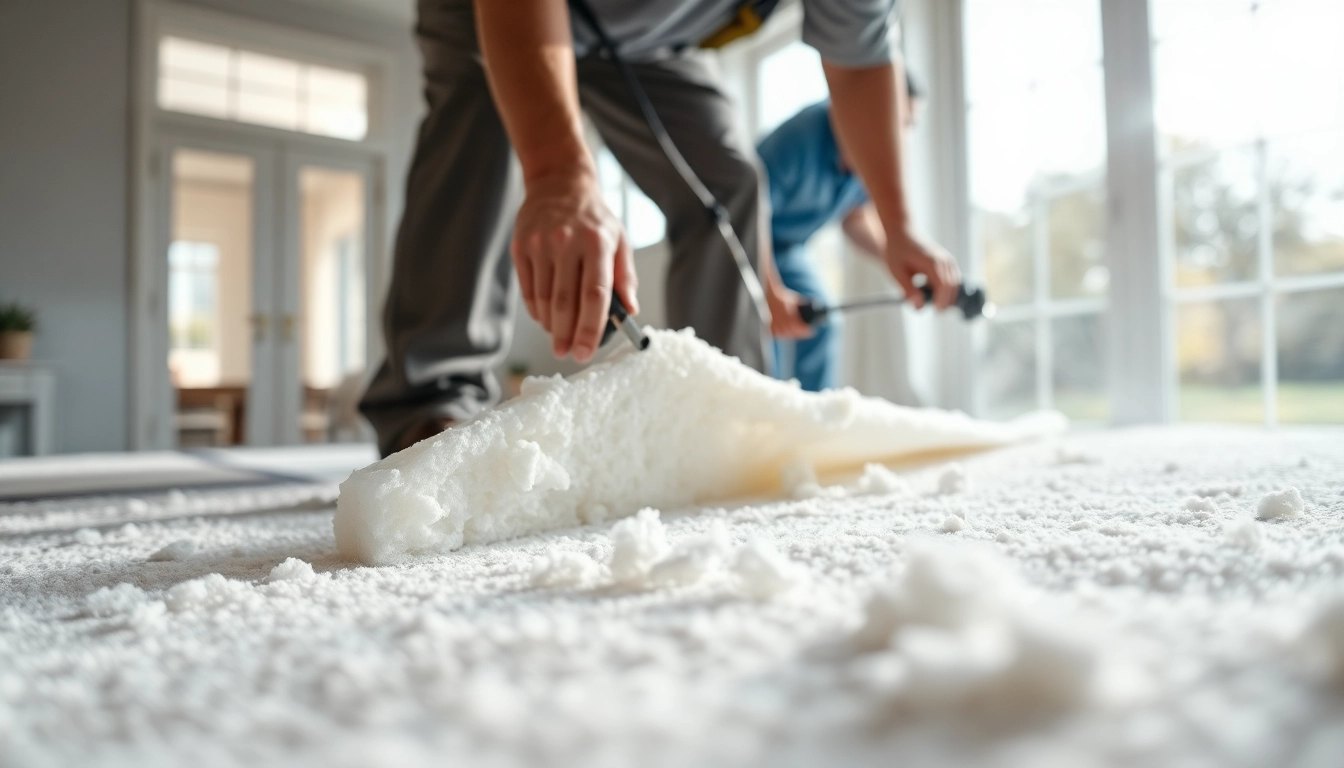
Insulation is another critical component in soundproofing applications. Materials like fiberglass, cellulose, and rock wool insulation effectively reduce sound transmission by adding mass to structures and absorbing sound waves. Insulation minimizes both airborne and impact sound transfer, making it an ideal choice for walls, ceilings, and floors. When choosing insulation, it is essential to consider its Sound Transmission Class (STC) rating, which measures its effectiveness in sound reduction. Higher STC ratings indicate better soundproofing capabilities, making insulation a fundamental aspect of a robust soundproofing strategy.
Soundproofing Curtains: A Stylish Solution
Soundproofing curtains provide an aesthetically pleasing way to dampen noise in a space. Typically made from dense fabrics or layered constructions, these curtains can significantly reduce sound transmission through windows and doors. They are particularly useful in urban settings or homes near busy roads, where external noise can be a significant issue. Installation is simple, as they can be hung like regular curtains, allowing homeowners to enhance both style and functionality in their living spaces. Investing in soundproofing curtains not only helps to block noise but also contributes to energy efficiency by regulating indoor temperature.
Best Practices for Home Soundproofing
Identifying Noise Sources
The first step in effective soundproofing is identifying the sources of noise within a home or workspace. Common culprits include traffic, neighbors, noisy appliances, and even air conditioning units. Utilizing a sound level meter can help measure noise levels in different areas of a property to highlight the loudest spots. Once noise sources are identified, targeted soundproofing solutions can be implemented to address specific concerns, ensuring that interventions are both practical and efficient.
DIY vs. Professional Installation
Deciding between DIY soundproofing and hiring professionals can depend on budget, skill level, and desired results. DIY projects involve budget-friendly solutions like weather stripping, caulking, and using soundproofing materials that homeowners can install. However, professional installation may aid in achieving optimal performance, especially in complex projects requiring specialized knowledge. Hiring experts can also save time and reduce the risk of mistakes, ensuring that soundproofing efforts are successful and long-lasting.
Combining Methods for Maximum Effectiveness
Combining various soundproofing methods is often the most effective way to minimize noise transmission. Incorporating acoustic panels, heavy curtains, and insulation together addresses different sound frequencies and paths of noise transfer. This multifaceted approach ensures that spaces are quieter and more comfortable. For instance, using soundproofing insulation in walls while adding acoustic panels and soundproofing curtains can drastically improve a room’s sound quality. Moreover, layers of different materials can work synergistically to enhance overall sound attenuation.
Cost Considerations for Soundproofing
Budgeting for Soundproofing Projects
Budgeting for soundproofing projects requires careful planning and assessment of the desired outcomes. Costs can vary significantly based on the size of the area being treated, the complexity of the project, and the materials chosen. It is essential to create a comprehensive list of goals and corresponding soundproofing methods to allocate resources effectively. Prioritizing essential fixes for construction or renovation projects may also yield better results without compromising quality.
Long-term Savings vs. Initial Investment
While the initial cost of soundproofing can be considerable, it is essential to recognize the long-term savings associated with investing in sound reduction. Effective soundproofing can improve a property’s value, lower energy bills by enhancing insulation, and contribute to overall quality of life. Homeowners may also experience fewer health-related costs linked to stress and discomfort from noise pollution. When evaluating soundproofing solutions, it is beneficial to consider both the short and long-term costs to create a balanced financial plan.
Understanding the Cost of Professional vs. DIY
When considering DIY versus professional soundproofing installations, understanding cost comparisons is vital. DIY solutions often come with lower upfront costs since labor is not included. However, they may require multiple attempts to achieve optimal sound reduction, increasing time and costs. Conversely, professional installations generally have higher initial costs but are executed with expertise, ensuring effective and reliable results. Weighing these options transparently regards both budget constraints and the desired quality and longevity of soundproofing efforts.
FAQs about Soundproofing
What is the most effective material for soundproofing?
Acoustic panels and insulation are often the most effective materials for soundproofing. They absorb sound and prevent noise transfer.
Can I soundproof a room on a budget?
Yes, using items like heavy curtains, carpets, and DIY solutions can significantly reduce sound without breaking the bank.
How long does it take to soundproof a room?
The time varies; professional installations can take a few hours to days, while DIY projects depend on the materials and scope.
Is soundproofing permanent?
Most soundproofing solutions are permanent but can be modified or removed if needed, especially in the case of movable panels.
Do I need a permit for soundproofing?
Permits are often not required for soundproofing, but it’s best to check with local regulations for specific requirements.