
Comprehensive Guide to Spray Foam Removal per m2 for Homes
Understanding Spray Foam Removal per m2
Spray foam insulation has gained popularity for its excellent thermal performance and air-sealing capabilities. However, there may come a time when homeowners need to consider spray foam removal per m2 for various reasons, including damage, renovations, or health concerns. Understanding the intricacies of this removal process is crucial for homeowners to make informed decisions regarding their property.
What is Spray Foam Removal?
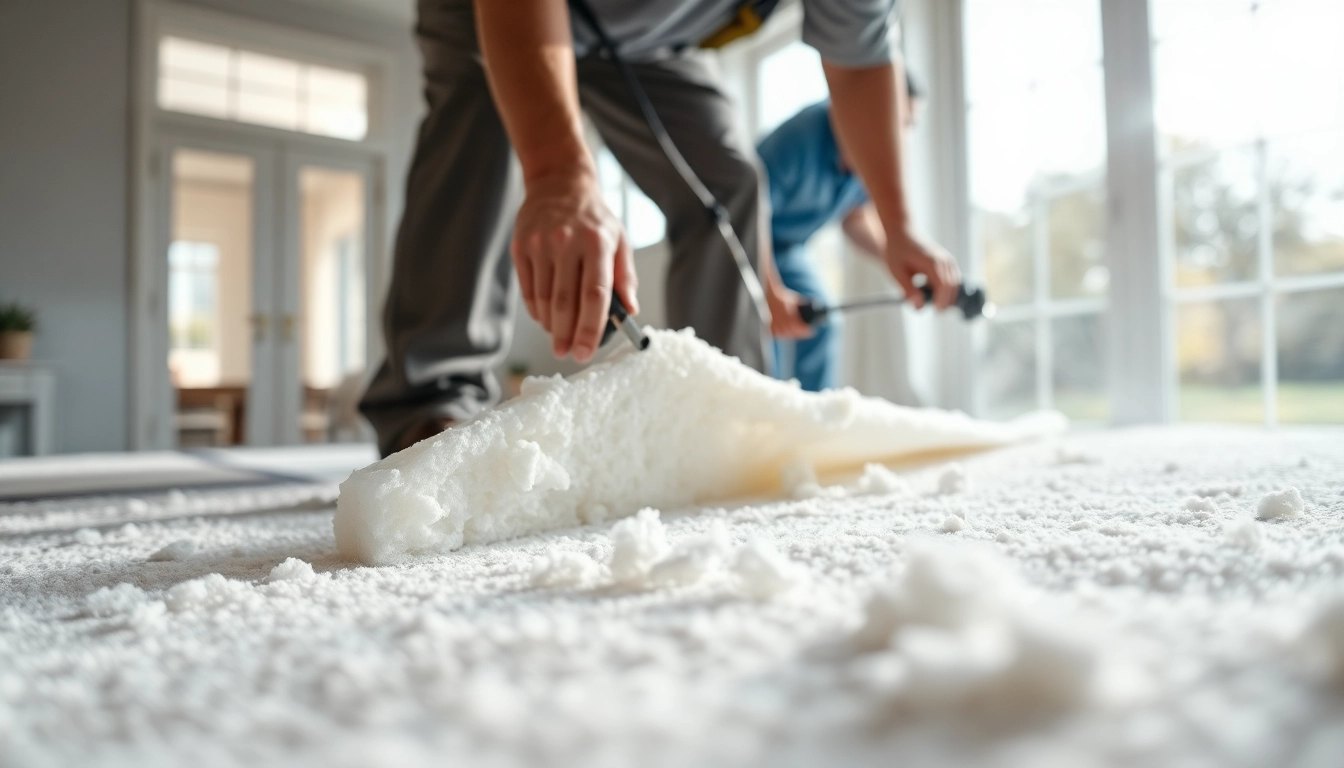
Spray foam removal refers to the process of taking out existing spray foam insulation materials from walls, ceilings, attics, or any other structure where it has been applied. This removal can be necessary for reasons including the installation of new insulation, repairs after water damage, the presence of mold, or simply wanting to upgrade to a different insulating product. Unlike the installation of spray foam, the removal process is often complex and requires special techniques and tools.
Importance of Professional Removal
Engaging professionals for spray foam removal is essential due to the potential hazards involved. Improper removal can damage building structures or lead to the spread of harmful chemical residues. Professionals are trained to assess the specific type of foam in place, employ appropriate removal methods, and ensure safety protocols are strictly followed. This expertise greatly minimizes risks such as structural damage or accidental inhalation of fumes, ensuring a smooth transition to new insulation or other replacements.
Cost Factors Impacting per m2 Pricing
The cost of spray foam removal per m2 can vary significantly based on several factors, including:
- Size of the Area: The larger the area to be treated, the more time and resources required, directly affecting overall costs.
- Type of Foam: Different spray foam types (open-cell vs. closed-cell) can influence the removal method and complexity.
- Accessibility: Difficult-to-reach areas may require additional labor and specialized equipment, increasing costs.
- Condition of Existing Foam: Well-preserved foam may be easier to remove than compromised or deteriorating foam.
- Local Labor Rates: The geographical area and competitive rates of local removal services can greatly influence pricing.
Common Challenges in Spray Foam Removal
Identifying Different Foam Types
Understanding the specific type of spray foam insulation being removed is crucial, as this determines the method used for extraction. There are two primary types:
- Open-Cell Foam: Lighter and more flexible, open-cell foam has a softer texture, which generally makes it easier to remove.
- Closed-Cell Foam: Denser and more rigid, closed-cell foam offers greater insulation but poses their challenges when it comes to removal due to its sturdiness.
Health and Safety Concerns
Health risks associated with spray foam removal are significant. The chemical compounds within spray foam can release harmful fumes during the removal process that may affect the respiratory system or skin upon contact. It’s crucial to wear protective gear, including respirators and gloves, and ensure adequate ventilation in the work area. Professionals also conduct thorough assessments to make sure any hazardous material is properly dealt with before commencing the removal.
Impact on Home Structure
Incorrect removal of spray foam can cause structural damage, particularly if the foam is adhered tightly to surfaces. Homeowners need to consider the integrity of the materials underneath the insulation. Professional removers use techniques that minimize the risk of damaging walls or ceilings, preserving the overall structural integrity of the home.
Best Practices for Spray Foam Removal
Step-by-Step Removal Process
Typically, the spray foam removal process involves the following steps:
- Assessment: A professional evaluates the foam type and overall condition.
- Preparation: The area is cleared, and protective measures are put in place to safeguard surrounding spaces.
- Removal: Using specialized tools, the foam is carefully cut away and removed from surfaces.
- Cleanup: The site is cleaned to remove any debris or residue from the foam.
- Inspection: A final assessment is performed to ensure the area is ready for new insulation.
Tools and Equipment Needed
Effective removal requires specific tools and safety equipment, including:
- Utility knives or scrapers for cutting the foam.
- Protective gear such as gloves, goggles, and respirators.
- Vacuum systems designed to handle debris safely.
- Drop cloths to protect floors and furniture.
- Heat guns for softening the foam in some cases.
Hiring the Right Professionals
When considering spray foam removal, hiring qualified professionals is critical. Homeowners should look for contractors with experience specifically in spray foam removal, verified reviews, and proper licensing. It is advisable to request quotes from multiple providers, asking about their methods, timelines, and safety procedures to ensure that the best decision is made.
Performance Metrics for Successful Removal
Measuring Efficiency and Costs
Assessing the efficiency of spray foam removal can be gauged by measuring the time taken against the square meter price. Effective contractors will have established benchmarks for time and cost, allowing for proper budgeting and scheduling. Monitoring expenditures throughout the process can also prevent overspending and ensure the project remains on track.
Post-Removal Assessment Techniques
Once removal is completed, conducting a thorough assessment is essential. This assessment includes checking the structural integrity of the areas where foam was removed and inspecting for residual chemicals or debris. Ensuring the home is clean and safe before proceeding with new installations is key.
Customer Satisfaction and Feedback
Customer feedback post-removal provides critical insights into the quality of service provided. Companies should solicit reviews and testimonials to help gauge overall satisfaction and identify areas for improvement in their processes, fostering trust and reliability in their services for future projects.
FAQs About Spray Foam Removal per m2
How is spray foam removal priced per m2?
Pricing for spray foam removal per m2 typically varies based on factors like the type and condition of the foam, size, and work complexity. It’s best to get a quote from multiple professionals.
What safety measures should be considered during removal?
Safety measures include wearing appropriate protective gear, ensuring adequate ventilation, and conducting thorough assessments before beginning the removal to minimize health risks.
Can I remove it myself or should I hire a pro?
While DIY removal is possible, it’s often risky due to safety hazards and potential damage to your home. Hiring professionals is generally recommended for effective and safe removal.
What are signs that foam needs to be removed?
Signs foam may need removal include visible damage or deterioration, mold presence, persistent odors, or if it’s a barrier to necessary renovations or system upgrades.
How long does the removal process take?
The removal duration can vary significantly, averaging a few hours to several days based on size and complexity. A detailed assessment will give a clearer timeframe.