
Enhancing Home Comfort with Mini Split AC: Benefits and Key Features
Understanding Mini Split AC Systems
What is Mini Split AC?
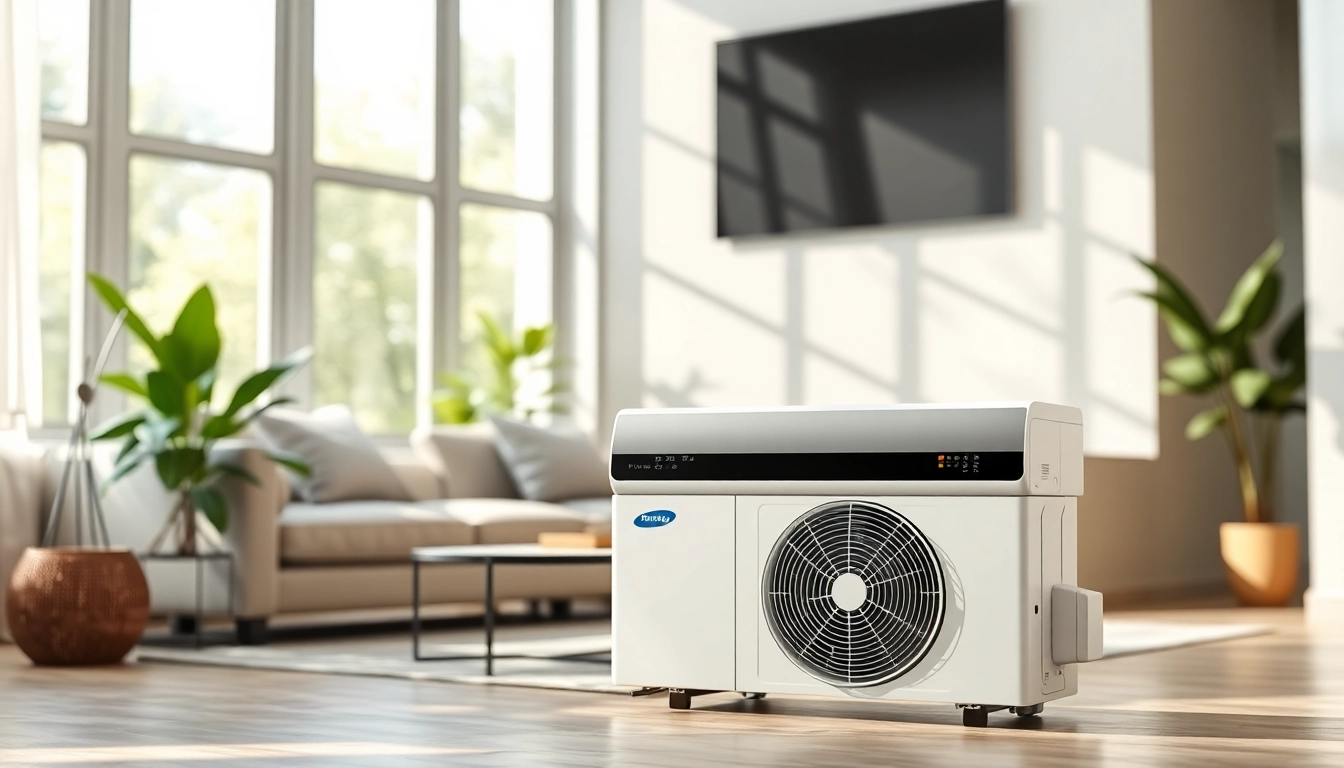
A mini split AC is a versatile cooling solution that offers efficient and effective temperature control for residential and commercial spaces. Unlike traditional heating, ventilation, and air conditioning (HVAC) systems that use ducts, mini split systems consist of an outdoor unit and one or more indoor units, allowing for easy installation and zoning control. This type of air conditioning system is especially popular in regions where ductwork is impractical or where additional cooling is needed in specific areas of a building.
How Mini Split AC Works
The operation of a mini split AC system is straightforward yet sophisticated. The outdoor unit houses the compressor and condenser, while the indoor units contain the air handler and evaporator. The systemUses refrigerant to absorb heat from indoors and release it outside. When temperatures rise, the indoor units draw warm air, cool it through the evaporator coil, and circulate cold air back into the room. This cycle allows for efficient cooling without the energy loss associated with ductwork.
Benefits of Installing Mini Split AC
There are numerous advantages to installing a mini split AC system. First and foremost, mini split ac units are known for their high energy efficiency, often achieving higher SEER (Seasonal Energy Efficiency Ratio) ratings than conventional systems. They also provide precise temperature control for different zones, allowing users to customize comfort levels in each room. Furthermore, they operate quietly, offer easier installation, and require minimal maintenance, making them an attractive option for homeowners seeking convenience and efficiency.
Key Features of Mini Split AC Units
Energy Efficiency Ratings
Energy efficiency is a pivotal feature of mini split AC systems. Most units come with SEER ratings between 16 to 30, meaning they consume less energy while providing effective cooling. High-efficiency models are typically more expensive upfront but can lead to substantial savings on energy bills over time. Energy Star certification further indicates that these units meet strict energy efficiency guidelines set by the U.S. Environmental Protection Agency.
Noise Levels and Operation
When it comes to noise levels, mini split AC units shine. Indoor units are designed to operate quietly, often between 19 to 30 decibels, comparable to a whisper. This is particularly advantageous for bedrooms or quiet spaces where minimal noise disruption is desired. The outdoor unit does generate some noise, but advanced technology and sound-dampening components have significantly reduced this issue in newer models.
Customization Options for Climate Control
Customization is another key feature of mini split AC systems. Users can select from various indoor units, including wall-mounted, ceiling-mounted, and floor-mounted options, each providing flexibility in installation. Moreover, multi-zone systems enable independent temperature control in multiple rooms, allowing occupants to adjust their comfort preferences based on personal needs. This zoning capability leads to more efficient energy use and enhances overall comfort.
Installation Process for Mini Split AC
Choosing the Right Location
Selecting an optimal location for both the indoor and outdoor units is crucial for ensuring effective operation of your mini split AC. Indoor units should be placed in areas where airflow is unobstructed, and outdoor units should be installed in a shaded spot to maximize efficiency and longevity. Factors such as proximity to power sources, drainage, and accessibility for maintenance should also be considered during installation.
Professional Installation vs. DIY
While some homeowners may consider a DIY approach to installing a mini split AC system, professional installation is highly recommended. Expert installers ensure the system is correctly mounted, calibrated, and connected, which can prevent future operational issues. Furthermore, professional installation is often required to maintain factory warranties, enhancing peace of mind for your investment.
Regulations and Considerations
When installing a mini split AC, compliance with local building codes and regulations is essential. Homeowners should familiarize themselves with any necessary permits or inspections required in their area. Additionally, considerations regarding refrigerant handling and energy standards are critical to maintaining efficiency and legality of the installation.
Mini Split AC Maintenance Tips
Routine Maintenance Schedule
Regular maintenance is vital for the longevity and performance of mini split AC systems. A schedule should include cleaning or replacing filters every 1-3 months, inspecting the outdoor unit for debris, and ensuring the drain line is clear. Scheduling professional service annually can catch potential problems early, enhancing the system’s efficiency.
Troubleshooting Common Issues
Homeowners may encounter a few common issues with mini split AC systems, such as decreased airflow, unusual noises, or inconsistent temperatures. These problems can often be traced back to dirty filters, blocked vents, or refrigerant leaks. Simple troubleshooting steps, like cleaning filters and checking the outdoor unit, can help resolve many basic issues. For complex problems, contacting a professional service technician is advisable.
Upgrades for Enhanced Performance
To further enhance the efficiency and functionality of a mini split AC system, homeowners can consider various upgrades. Smart thermostats provide advanced climate control options and remote operation, while multi-zone capabilities allow even more personalized comfort. Additionally, integrating air purifiers can improve indoor air quality, making the environment healthier and more comfortable.
Comparing Mini Split AC to Other Cooling Options
Mini Split AC vs. Central Air Conditioning
One of the most significant distinctions between mini split AC systems and central air conditioning is the absence of ductwork in mini splits. This substantially reduces installation costs and complexity. While central systems can cool entire homes effectively, mini splits offer flexibility, better energy efficiency in smaller spaces, and zoned heating and cooling options that central systems lack.
Mini Split AC vs. Window Units
Window units are often less expensive and easier to install than mini split systems; however, they come with limitations. Unlike mini splits, which can service multiple rooms, window units typically cool only one room at a time. Moreover, mini splits operate significantly quieter and offer superior energy efficiency, thus providing long-term savings and enhanced comfort.
Choosing the Best Option for Your Space
When determining the best cooling solution, homeowners should assess their specific needs, including size, layout, and usage of the space. Mini split AC systems are an excellent choice for households looking for efficiency and flexibility, especially in homes without existing ductwork. Central air is more suitable for larger homes requiring consistent cooling throughout multiple rooms, while window units can be ideal for budget-conscious consumers or those needing temporary cooling solutions.
FAQs
How energy-efficient is a mini split AC?
Mini split AC units typically have high SEER ratings, making them energy-efficient and lowering utility bills.
What are the typical installation costs for a mini split AC?
Installation costs can range from $1,500 to $5,000, depending on the system size and installation complexity.
How do I clean my mini split AC?
Regularly clean the filters and outdoor unit, and schedule professional servicing annually for optimal performance.
Can a mini split AC heat my home?
Yes, many mini split systems have heating capabilities, providing year-round temperature control.
What’s the lifespan of a mini split AC unit?
With proper maintenance, mini split AC units can last 15 to 20 years or more.