Choosing the Right Furniture Hardware Manufacturers for Your Projects
Understanding the Role of Furniture Hardware Manufacturers
In the world of furniture design and production, furniture hardware manufacturers play a crucial role in converting creative concepts into functional and stylish pieces. They supply the essential components that hold furniture together, enable functionality, and add aesthetic appeal. Whether you’re a designer, a craftsman, or a DIY enthusiast, understanding the intricacies of these manufacturers can significantly influence your project outcomes. Engaging with reliable furniture hardware manufacturers ensures that quality, durability, and design are seamlessly integrated into the final product.
What Furniture Hardware Manufacturers Do
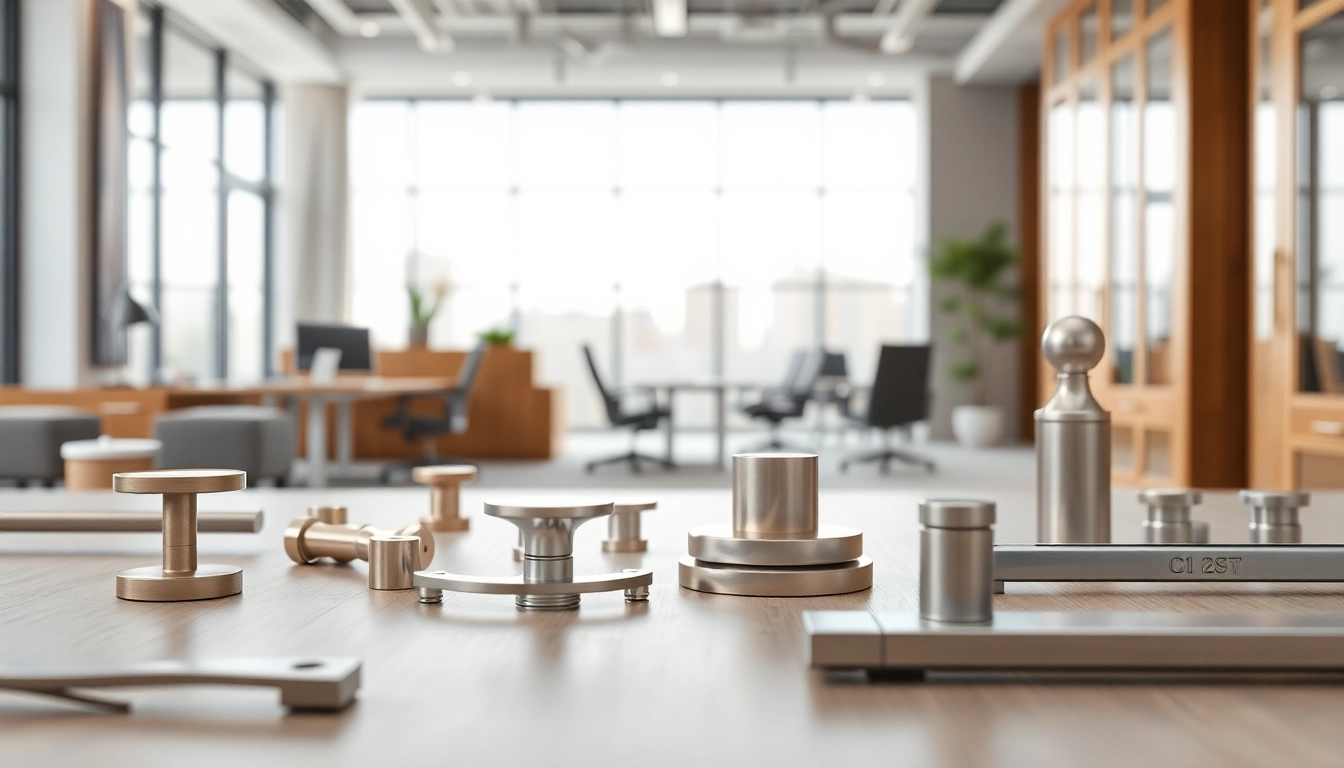
Furniture hardware manufacturers produce a broad range of components that enhance the functionality and design of furniture. Their offerings include hinges, drawer slides, fasteners, brackets, knobs, handles, and much more. Each of these components is essential for the assembly and usability of furniture items, such as cabinets, tables, and chairs. Manufacturers typically engage in various processes, including design, fabrication, and assembly, often employing advanced technology and skilled labor to ensure the highest standards of production.
Importance of Quality in Furniture Hardware
Quality is paramount in furniture hardware, as it directly affects the final product’s durability and functionality. Inferior quality hardware can lead to structural integrity issues, such as loose joints or malfunctioning mechanisms. Furthermore, the choice of materials used in hardware production, such as metals and plastics, also plays a significant role in overall quality. Manufacturers committed to excellence often invest in rigorous testing and quality assurance processes to uphold their standards and ensure customer satisfaction.
Key Types of Hardware from Manufacturers
Understanding the various types of hardware is essential for anyone involved in furniture production or design. Key types include:
- Hinges: Used in cabinets and doors, essential for smooth opening and closing.
- Drawer Slides: Facilitate the smooth operation of drawers, vital for functionality.
- Fasteners: Ensure assembled parts are securely joined, ranging from screws to dowels.
- Brackets: Offer support and stability, especially for shelves and larger furniture pieces.
- Knobs and Handles: Provide user interface aesthetics and functionality for opening doors and drawers.
Identifying Reliable Furniture Hardware Manufacturers
Industry Standards and Certifications
Identifying reliable manufacturers requires understanding industry standards and certifications that signify quality and safety. Manufacturers often adhere to regulations set by governing bodies, which might involve ISO certifications, CE marking, or other quality assurance certifications. It’s advisable to choose manufacturers that demonstrate a commitment to these standards, ensuring that their products meet recognized safety and performance benchmarks.
Researching Manufacturer Reputation
Researching a manufacturer’s reputation can be transformative for selecting the right partner for your projects. Potential customers should explore feedback from previous clients, and reviews, and look for patterns of quality and service. A reliable manufacturer often has a portfolio showcasing their past work and client testimonials that reflect their professionalism. Engaging with industry forums and attending trade shows can also provide insights into a manufacturer’s reliability and reputation in the market.
Customer Testimonials and Case Studies
Customer testimonials and case studies serve as powerful tools for evaluating manufacturers. This feedback can highlight specific experiences and practical insights into how the hardware performs in real-world applications. Case studies often offer detailed accounts of projects, demonstrating the manufacturer’s ability to meet deadlines, deliver quality solutions, and adapt to client needs—valuable information that can guide your selection.
Top Features to Consider When Selecting Manufacturers
Durability and Material Quality
One of the foremost considerations when selecting furniture hardware manufacturers is the durability and quality of materials used in production. High-quality materials lead to longer-lasting hardware, ensuring that the furniture remains functional over time. When assessing durability, inquire about the types of materials used, and consider conducting material tests or reviewing third-party assessments. Durable hardware not only supports the functionality of furniture but also plays a vital role in customer satisfaction and brand reputation.
Design Versatility and Aesthetics
In today’s market, design versatility is another critical feature to examine when selecting a manufacturer. The ability to provide customizable options and a range of finishes can enhance the aesthetic appeal of furniture projects. Whether it’s a sleek modern look or a vintage finish, having access to various styles enables designers to maintain their creative visions. Consider visiting showrooms or reviewing catalogs to evaluate a manufacturer’s design capabilities and aesthetic options.
Customization Options Available
Customization is invaluable in the furniture hardware domain. Manufacturers that offer tailored solutions can address specific design requirements, ensuring that the hardware aligns perfectly with individual projects. This can include bespoke sizes, finishes, and mechanisms. Always inquire about customization capabilities, turnaround times, and the associated costs, as these factors can significantly impact the success of your project.
Evaluating Costs and Value
Understanding Pricing Structures
Effective budgeting for any furniture project is closely tied to understanding the pricing structures of hardware manufacturers. Costs may vary based on factors such as material quality, design complexity, and customization needs. Evaluate whether pricing reflects quality; the cheapest options may not always present the best long-term value. Request quotations from multiple manufacturers to compare and gain insights into where the value lies for your specific needs.
Long-Term Investment vs. Initial Cost
While initial costs are a crucial factor in project budgeting, considering long-term investment is equally important. High-quality hardware may initially seem more expensive, but its durability can save costs in the long run by reducing the need for replacements or repairs. Understanding the lifecycle of the hardware and its overall impact on the furniture’s longevity is key to making informed decisions.
Assessing Overall Value Proposition
The overall value proposition combines price, quality, and service. A manufacturer that offers competitive pricing, excellent quality, and outstanding customer service provides significant value. When assessing value, consider the total cost of ownership, including installation and future upkeep. A thorough evaluation of these factors can help delineate which manufacturers offer the best long-term benefits for your projects.
Future Trends in Furniture Hardware Manufacturing
Sustainable Practices Among Manufacturers
The trend of sustainability has taken a firm hold in the furniture hardware manufacturing sector. Consumers and businesses increasingly prioritize eco-friendly practices, leading many manufacturers to adopt sustainable materials and processes. This can include using recycled materials, minimizing waste during production, and ensuring products are free from harmful chemicals. Discovering manufacturers committed to sustainability can enhance the marketability of your projects and appeal to environmentally-conscious consumers.
Technological Innovations in Hardware
Technological innovations are continually reshaping the landscape of furniture hardware manufacturing. Advancements in manufacturing techniques, such as 3D printing and automation, have led to more efficient production processes and innovative hardware designs. Additionally, smart furniture incorporating technology like IoT is becoming more prevalent. Staying informed about technological shifts allows designers and builders to leverage these advancements for enhanced functionality and design.
Predictions for Market Changes
As patterns in consumer behavior evolve, so too does the market for furniture hardware. Predictions indicate an ongoing increase in demand for customizable and sustainable hardware solutions. Manufacturers will need to adapt to shifting trends to remain competitive, emphasizing quality, service, and innovation. By keeping an eye on the market landscape, industry players can position themselves effectively and meet the changing needs of consumers.
Frequently Asked Questions
What are furniture hardware manufacturers?
Furniture hardware manufacturers create components like hinges, knobs, and fasteners essential for creating and assembling furniture pieces.
How is the quality of furniture hardware assessed?
Quality can be assessed through material durability, industry certifications, and manufacturer reputation, including customer reviews and testimonials.
Can hardware be customized?
Yes, many manufacturers offer customization options for sizes, designs, and finishes to align with specific project needs. Always inquire about these options.
Why does design versatility matter in hardware?
Design versatility allows fitters and designers to maintain aesthetic coherence with their furniture projects and makes it easier to integrate hardware seamlessly.
Are sustainable practices important in hardware manufacturing?
Sustainable practices are crucial as they address environmental concerns and appeal to consumers seeking eco-friendly products, enhancing brand reputation.