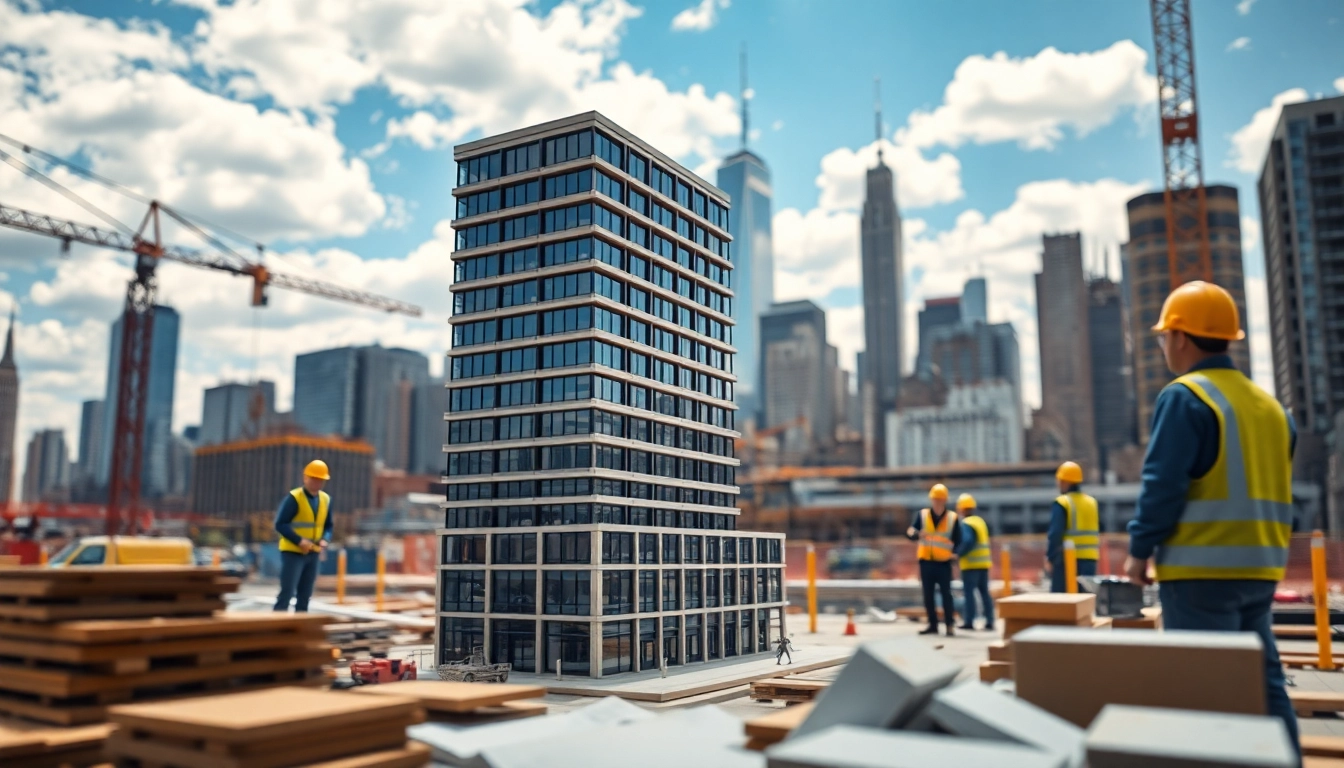
Understanding the Role of a Manhattan Commercial General Contractor
Navigating the complexities of construction projects in Manhattan requires expertise, experience, and a deep understanding of the local environment. A Manhattan Commercial General Contractor serves as a vital player in these ventures, offering essential guidance and support throughout every stage of the building process.
Defining the Responsibilities
A Manhattan Commercial General Contractor is primarily responsible for overseeing the construction project from inception to completion. This role includes a broad range of tasks:
- Project Planning: Developing comprehensive project plans that outline timelines, budgets, and resource allocations.
- Permit Acquisition: Securing necessary permits and licenses as required by local regulations and laws.
- Subcontractor Management: Hiring and managing subcontractors for specialized tasks such as plumbing or electrical work, ensuring they meet quality standards and regulations.
- Material Procurement: Sourcing and procuring materials while maintaining budget constraints and quality requirements.
- On-Site Supervision: Supervising daily operations on the construction site, addressing any issues that arise, and assuring safety protocols are followed.
- Quality Control: Implementing quality assurance processes to ensure that the work meets the established standards and specifications.
- Final Inspection: Overseeing project completion and ensuring all inspections are passed before handing the project over to the owner.
Key Skills and Attributes Required
Successful Manhattan Commercial General Contractors possess a blend of technical skills, management abilities, and interpersonal traits, including:
- Technical Knowledge: In-depth understanding of construction methods, materials, and technology.
- Project Management: Proficiency in managing budgets, timelines, and resources effectively.
- Problem-Solving Skills: Ability to diagnose problems quickly and find viable solutions under pressure.
- Communication: Strong verbal and written skills to liaise effectively with clients, subcontractors, and suppliers.
- Leadership: Leading various teams and creating a productive work environment.
- Attention to Detail: Ensuring quality work that adheres to project specifications.
The Importance of Local Expertise
Working with a Manhattan Commercial General Contractor who has extensive local knowledge is invaluable. Familiarity with Manhattan’s unique zoning laws, neighborhood regulations, supply chain dynamics, and contractor networks can significantly affect project success. Local contractors can often navigate bureaucratic processes more efficiently than outsiders, leveraging established relationships with city officials to expedite approvals and permits.
How to Select the Right Manhattan Commercial General Contractor
Choosing the right contractor is paramount for ensuring a project’s success. Here are key considerations when making this decision:
Evaluating Qualifications and Experience
Start by assessing the contractor's qualifications. They should hold relevant licenses, insurance, and bonding required to operate in Manhattan, and possess a proven track record of successfully completed projects similar to yours. Check how long they have been in business and ask for detailed information on previous work, including any challenges faced and solutions implemented.
Assessing Communication and Collaboration Skills
Effective communication is crucial for project alignment and success. Meeting with potential contractors can give you insight into their communication style. Look for those who are not only articulate but who also listen to your needs and concerns, demonstrating a collaborative approach to your project.
Reviewing Client Testimonials and References
Feedback from previous clients can provide essential insight into a contractor’s reliability and work quality. Request references and take the time to contact them. Ask about their overall experience, problem-solving capabilities, timeliness, and any aspects of the project that could have gone better.
Project Management Techniques Used by Manhattan Commercial General Contractors
Manhattan Commercial General Contractors utilize various project management techniques to ensure successful project execution. Here are some of the most effective approaches employed:
Effective Budgeting and Cost Control
Budget management is a cornerstone of successful project delivery. Contractors typically use specialized budgeting software to track expenses closely and compare them against initial projections. By identifying variances early, they can manage costs effectively and avoid budget overruns.
Scheduling and Timelines Management
Utilizing tools such as Gantt charts or scheduling software, general contractors can create detailed project timelines that outline critical milestones. This method helps keep the project on schedule, allowing for adjustments as necessary while ensuring all team members are aware of their responsibilities.
Quality Assurance Practices
Quality assurance is crucial in construction projects to deliver a final product that meets the client's expectations. General contractors often implement standardized checklists at different project stages, conduct regular inspections, and maintain clear communication channels to promptly address any quality concerns.
Benefits of Hiring a Manhattan Commercial General Contractor
Engaging a Manhattan Commercial General Contractor brings a host of benefits that extend beyond mere project oversight:
Streamlined Project Execution
With a dedicated contractor, clients can expect streamlined processes that facilitate smoother project execution. Contractors coordinate all activities, ensuring seamless transitions between different project phases and fostering collaboration among diverse teams.
Access to a Network of Subcontractors
Established contractors have built up networks of reliable subcontractors. This network not only ensures quality work but also allows for expedited hiring, reducing delays associated with finding qualified labor for specialized tasks.
Compliance with Local Regulations and Codes
Each municipality has its own building codes and regulations. A well-versed Manhattan Commercial General Contractor is essential for guaranteeing that projects comply with all local laws, minimizing the risk of costly fines and project setbacks.
Common Challenges Faced and Solutions by Manhattan Commercial General Contractors
Even with extensive planning and expertise, challenges are commonplace in the construction industry. Here are some of the typical obstacles Manhattan Commercial General Contractors encounter, along with effective strategies for overcoming them:
Navigating Zoning Laws and Permits
Construction in Manhattan often involves complex zoning laws and permit requirements. Contractors can mitigate these challenges through thorough research and consultation with city planners, ensuring all necessary permits are acquired before commencing work.
Handling Supply Chain Issues
Supply chain disruptions can greatly impact project timelines. Contractors combat this by diversifying their supplier relationships and maintaining open lines of communication about material availability. Proactive planning allows for alternative options in case issues arise.
Dealing with Client Expectations
Managing client expectations is crucial to maintaining satisfaction and project success. Clear communication, regular updates, and thorough documentation of the project's progress help mitigate misunderstandings, ensuring clients remain informed and aligned with project goals.
Frequently Asked Questions
What should I look for in a Manhattan Commercial General Contractor?
Look for experience, relevant certifications, strong communication skills, and positive client feedback to ensure reliability and quality.
How long does a typical project take?
Project duration can vary greatly based on size and complexity but typically ranges from several months to over a year for commercial projects.
Are there specific permits needed for commercial construction?
Yes, commercial construction in Manhattan may require various permits, including zoning variances, building permits, and environmental assessments.
How can I ensure my project stays within budget?
Establish a clear budget, monitor expenses closely, and communicate regularly with your contractor to address any potential overruns early on.
What if I have specific design requirements?
Discuss your design requirements during the initial meetings to ensure the contractor understands and can execute your vision effectively.