
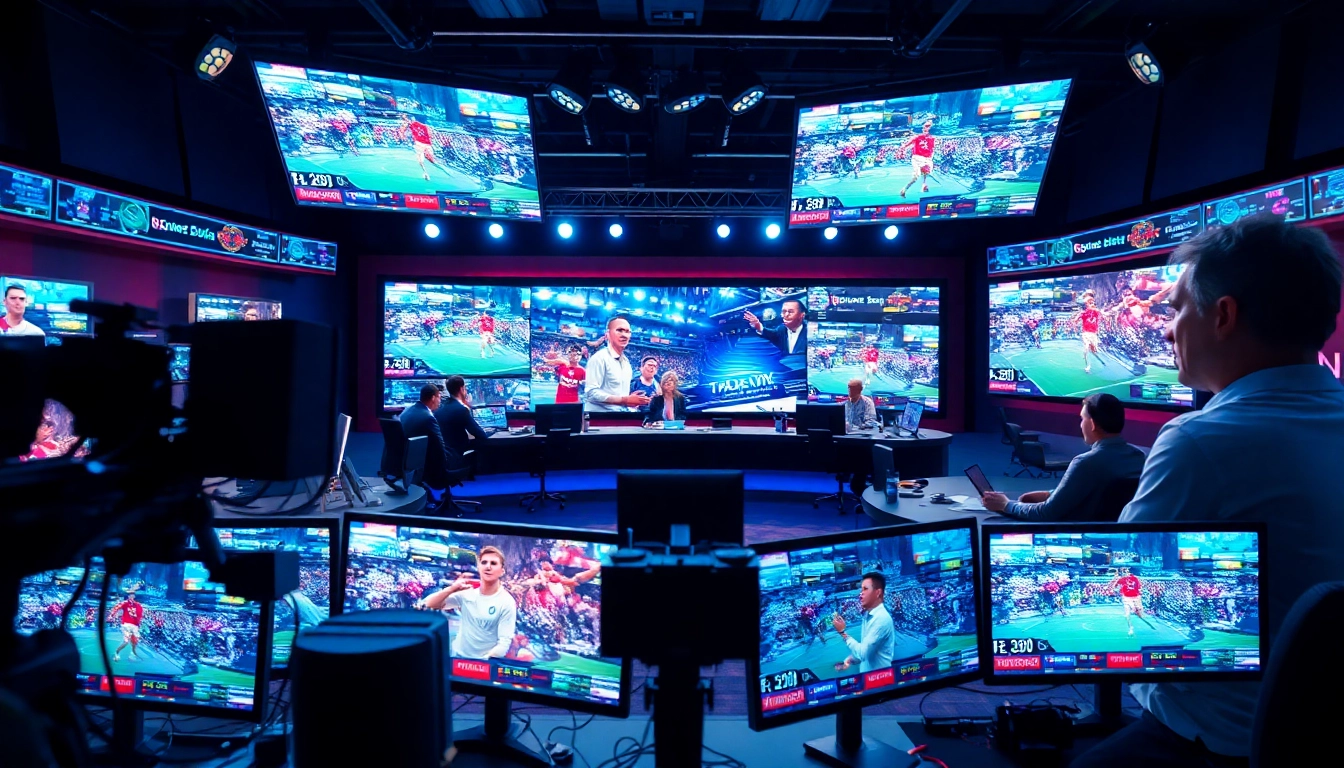
The Fundamentals of Sports Broadcasting
Understanding the Sports Broadcasting Landscape
Sports broadcasting is a dynamic and multifaceted industry that combines the excitement of live sports with the use of technology, storytelling, and audience engagement. As a central hub for fans who crave real-time updates and detailed analyses, Sports Broadcasting encompasses various platforms, including television, radio, and digital outlets. The emergence of streaming services has transformed how audiences consume sports, leading to new opportunities and challenges in broadcasting.
Key Roles in Sports Broadcasting
At the heart of sports broadcasting are several key roles that contribute to the overall production and delivery of sports content:
- Play-by-Play Commentators: These professionals provide a live narration of the events as they unfold, ensuring viewers are engaged and informed about the action.
- Color Commentators: Often former athletes or experts, color commentators offer insights, analysis, and context that enhance the viewer's understanding of the game.
- Producers and Directors: Responsible for overseeing the production, these individuals coordinate the technical aspects, such as camera angles and graphic displays, to ensure a seamless viewing experience.
- Sports Journalists: They cover pre-game and post-game analysis, interviews, and news stories that keep fans updated on the latest happenings in the sports world.
- Technical Crew: This includes audio and video technicians, graphics operators, and other support staff who ensure the broadcast runs smoothly.
Essential Technologies in Sports Broadcasting
The realm of sports broadcasting relies heavily on technology to deliver high-quality content. Key technologies include:
- HD Cameras: High-definition cameras capture the action, allowing viewers to see every detail.
- Graphics Software: These tools help create on-screen graphics, such as player stats and game scores, enriching the viewer's experience.
- Streaming Services: Platforms like online streaming apps enhance accessibility, enabling audiences to watch games anywhere.
- Data Analytics Tools: Broadcasters use these tools to provide real-time statistics during games, offering fans unprecedented insights.
- Mobile Technology: This facilitates social media integration and live updates that keep fans engaged even when they can't watch the broadcast live.
Skill Development for Sports Broadcasting
Developing Commentary Skills
Effective commentary is a cornerstone of compelling sports broadcasting. Developing strong commentary skills involves:
- Practice: Regular practice helps refine articulation and fluency, allowing commentators to convey excitement accurately and engage the audience.
- Research: Knowledge of teams, players, and relevant statistics is crucial for informed commentary.
- Adaptability: Being able to adjust commentary style to different sports and formats is essential for versatility.
Interview Techniques for Sports Broadcasters
Conducting interviews is a vital skill for sports broadcasters. Here are some effective techniques:
- Preparation: Researching the interviewee and formulating questions in advance ensures a smooth interview process.
- Active Listening: Paying attention to responses allows broadcasters to ask follow-up questions, deepening the conversation.
- Creating a Comfortable Environment: Making interviewees feel at ease encourages more candid and valuable insights.
Creating Engaging Storylines in Commentary
Engaging commentary often weaves compelling narratives around the game. This involves:
- Building Context: Providing background information about teams and players helps create meaningful connections with the audience.
- Telling Human Stories: Highlighting personal stories, struggles, and victories adds depth to the commentary.
- Using Descriptive Language: Vivid descriptions enhance the emotional impact of the game, keeping viewers invested.
Best Practices in Sports Broadcasting
Ethics and Responsibility in Sports Broadcasting
Ethics play a crucial role in the credibility of sports broadcasting. Broadcasters should:
- Fact-Check Information: Ensuring accuracy before broadcasting news maintains trust with the audience.
- Avoid Bias: Providing impartial commentary helps foster a fair representation of the game.
- Respect Privacy: Balancing public interest with players' personal lives is essential for ethical broadcasting.
Improving Audience Engagement
To keep audiences engaged, broadcasters should consider the following strategies:
- Interactive Content: Polls, quizzes, and live chats encourage audience participation.
- Social Media Integration: Engaging with fans on platforms enhances the viewing experience and builds community.
- Feedback Mechanisms: Conducting surveys to gauge audience preferences allows for tailored content delivery.
Leveraging Social Media for Broadcast Reach
Social media is a powerful tool for sports broadcasters. Strategies include:
- Live Updates: Posting real-time updates during games keeps fans informed and engaged.
- Behind-the-Scenes Content: Sharing exclusive backstage footage builds excitement and connection with fans.
- Influencer Partnerships: Collaborating with sports influencers can amplify reach and attract new audiences.
Advanced Techniques in Sports Broadcasting
Utilizing Data Analytics in Commentary
Incorporating data analytics into commentary provides valuable insights. Broadcasters can:
- Analyze Player Performance: Utilizing analytics to discuss players' historical performances fosters deeper narratives.
- Predict Outcomes: Presenting data-driven predictions engages the audience and sparks discussion.
- Enhance Viewer Understanding: Breaking down complex statistics in simple terms makes the game more accessible.
Working with Graphics and Live Stats
Integrating graphics and live stats enriches the viewing experience. Key practices include:
- Dynamic Graphics: Using live graphics to depict game stats, player performances, and team standings creates a more polished presentation.
- In-Play Updates: Providing real-time statistics during the game keeps viewers engaged and informed about critical elements.
- Interactive Graphics: Engaging viewers with interactive elements can enhance their understanding and retain attention.
Innovative Formats in Sports Broadcasting
Exploring innovative formats can lead to fresh content and a wider audience reach:
- Docuseries: Producing narrative-driven documentaries allows for storytelling beyond just the game.
- Virtual Reality Broadcasts: Offering immersive experiences through VR technology can attract tech-savvy viewers.
- Podcasting: Recap and analysis podcasts provide an alternative format for in-depth discussions about games and seasons.
Measuring Success in Sports Broadcasting
Key Performance Metrics for Broadcasters
To assess the performance of sports broadcasts, key metrics include:
- Viewership Numbers: Tracking live views and unique viewers helps gauge overall reach.
- Engagement Rates: Measuring likes, shares, comments, and interactions provides insight into content effectiveness.
- Audience Retention: Monitoring how long viewers stay tuned can indicate the quality of the broadcast.
Feedback Mechanisms for Improvement
Establishing feedback mechanisms allows broadcasters to refine their content. Strategies include:
- Surveys: Regular audience surveys can highlight areas for improvement and preferred content types.
- Focus Groups: Conducting focus groups provides qualitative insights into audience preferences and expectations.
- Social Media Monitoring: Analyzing comments and interactions on social media platforms can reveal audience sentiments.
Adapting to Emerging Trends in Sports Broadcasting
The sports broadcasting landscape continually evolves; thus, adapting to emerging trends is vital:
- Embracing Technology: Staying ahead with the latest broadcasting technologies improves viewer experience.
- Understanding Audience Preferences: Keeping track of demographic shifts and consumption habits helps tailor content strategically.
- Exploring New Platforms: As audiences migrate to new platforms, being agile allows broadcasters to reach and connect with different viewers.
Frequently Asked Questions
What is the role of a sports commentator?
A sports commentator narrates live events, providing play-by-play descriptions and insightful analysis to keep viewers engaged.
How can I improve my sports commentary skills?
Practice regularly, research sports teams, adapt your style to different formats, and watch experienced commentators for inspiration.
What technologies are essential for sports broadcasting?
Essential technologies include HD cameras, graphics software, streaming services, and data analytics tools, all crucial for a quality broadcast.
How do broadcasters keep audiences engaged?
They use interactive content, integrate social media, and ensure timely feedback mechanisms to understand audience preferences.
What metrics are essential to evaluate broadcast success?
Key metrics include viewership numbers, engagement rates, and audience retention, which help assess the effectiveness of broadcasts.